Empowering Cancer Patients: Essential Wellness Strategies and Support for Survivorship
Navigating through the world of oncology can often feel like standing at the edge of a vast sea, seemingly overwhelming yet full of potential discoveries. For cancer patients, this journey is not just about facing treatment options; it’s about embracing transformative wellness strategies that can enhance their quality of life and promote cancer survivorship. What if the power to reclaim your life rested not only in clinical treatments, but also in lifestyle choices and wellness practices? Join us as we explore essential wellness strategies and patient support systems that can reshape the cancer care experience.
In the realm of healthcare, the term 'holistic health' has gained significant traction for a reason. It encapsulates the idea of treating not just the disease, but the entire individual. For cancer patients, this means integrating their physical, emotional, and nutritional needs into a comprehensive care plan. A study suggests that patients who engage in wellness practices, such as yoga and meditation, report lower stress levels and improved psychological well-being. How can these strategies transform your journey? By prioritizing your mental health alongside medical research advancements, you open doors to more effective cancer survivorship.
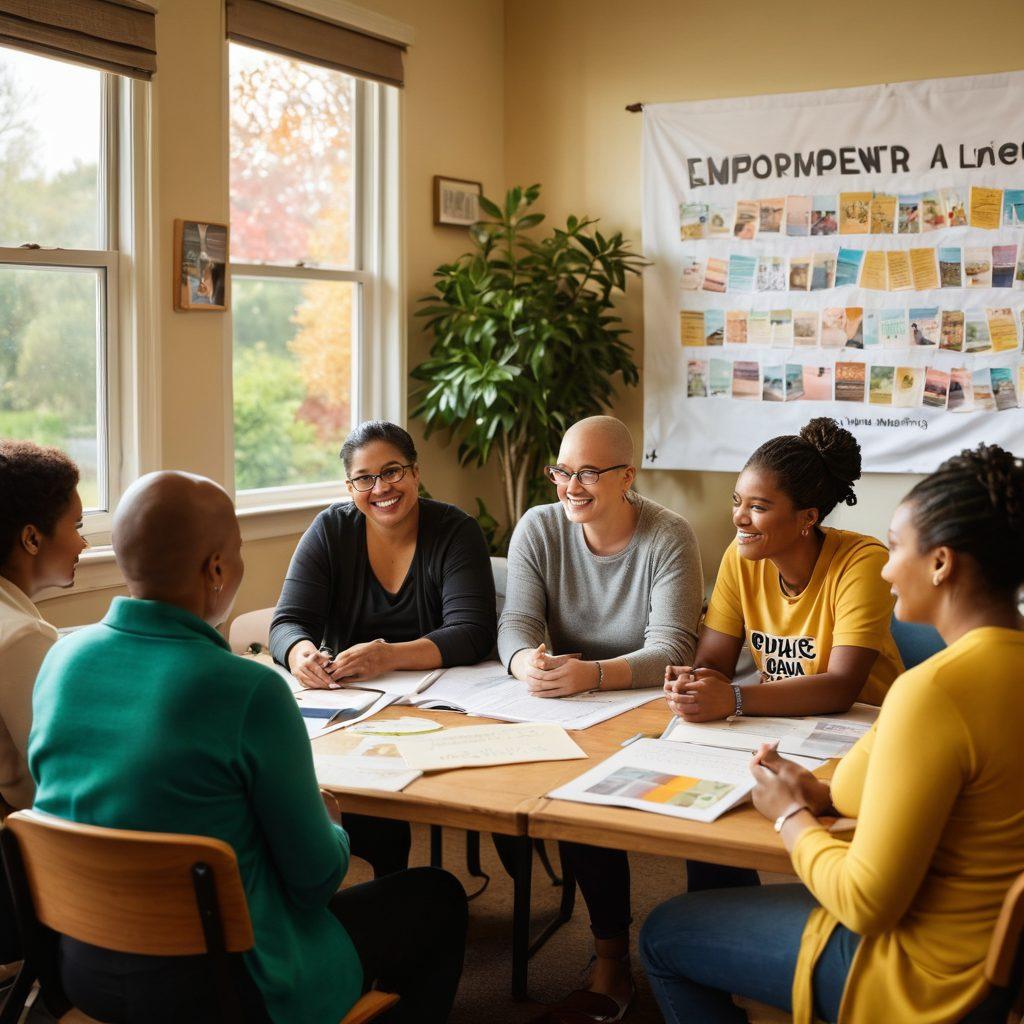
At the heart of effective cancer care is understanding patient support. Cancer support groups provide a critical lifeline, creating a sense of community among those navigating similar challenges. Imagine sitting in a circle of understanding faces, sharing each struggle and triumph. Only those who have faced the storm truly know the power of solidarity. Moreover, awareness campaigns shed light on pressing issues within cancer diagnosis and treatment advancements, helping to galvanize community support and education. Are you ready to empower yourself and others on this journey through shared experiences?
Nutrition for cancer patients is another pivotal component of wellness strategies. The right diet can bolster immunity, reduce the risk of recurrence, and even alleviate treatment side effects. Adopting healthy lifestyle choices means integrating wholesome foods rich in antioxidants, vitamins, and minerals. Picture plates overflowing with vibrant fruits and vegetables, each bite nourishing not just the body but nurturing hope. What actionable steps can you take today to improve your nutrition? Consulting a nutritionist specialized in cancer care could provide valuable insights tailored to your specific needs and treatment plan.
As we delve deeper into transformative wellness strategies, let’s not underestimate the importance of proactive disease prevention. Staying educated about treatment options and engaging with ongoing cancer research can empower patients during their healthcare journey. By participating in awareness campaigns, advocating for better resources, and being part of the discourse in medical information, patients can help shape the future of cancer care. Remember, every small action contributes to a larger change. What legacy will you choose to leave in the world of cancer survivorship?
Empowerment through Education: The Role of Support Groups in Cancer Survivorship
In an era where knowledge is power, cancer patients have the opportunity to reclaim their strength through education. The landscape of cancer care has evolved dramatically, yielding advancements in treatment options, nutrition for cancer patients, and holistic health practices. Support groups are essential in this journey of empowerment, offering not just camaraderie but a wealth of medical information that fosters informed decision-making. So, how exactly do these groups serve to uplift individuals navigating the complexities of cancer survivorship?
Support groups act as invaluable sanctuaries where cancer patients can share their stories, fears, and triumphs. As the saying goes, 'A burden shared is a burden halved.' These gatherings create a sense of belonging and provide emotional support, alleviating feelings of isolation. Patients learn about the latest breakthroughs in oncology and treatment advancements while receiving encouragement from those who have walked similar paths. This exchange highlights the importance of awareness campaigns aimed at promoting health awareness and empowering individuals with the knowledge necessary for disease prevention.
Imagine sitting in a circle, surrounded by others who genuinely understand your journey. It's a place where the weight of cancer diagnosis can be discussed without judgment. The discussions often include lifestyle choices that align with wellness, like nutrition tailored for cancer patients or mindfulness techniques that can help manage stress. Participants often leave these meetings feeling not just informed but inspired, reigniting a sense of hope and agency. How many stories of resilience are waiting to unfold when individuals are given the platform to support one another?
Additionally, support groups serve as a bridge to essential healthcare resources. They often invite healthcare professionals to share insights on medical research, treatment options, and self-care. With the labyrinth of information available online, having a trusted group to vet and discuss this data becomes crucial. What better way to expand one’s knowledge than by tapping into the collective experiences and resources of a supportive community? It is through these connections that patients foster a deeper understanding of their health and become advocates for themselves and others in similar situations.
Ultimately, the true essence of empowerment through education reveals itself within these support groups. They do not just focus on the disease but embrace a holistic approach to cancer survivorship, emphasizing emotional and mental wellness alongside physical treatment. As we embark on this transformative journey in cancer care, let us remember that together we stand stronger. Joining a cancer support group is not merely about seeking help; it’s about becoming part of a community that champions awareness and education, leading to better health outcomes and a brighter outlook on life.
Holistic Health: Nutrition and Lifestyle Choices for Thriving After Cancer
When navigating the stormy seas of cancer, the importance of holistic health shines like a beacon of hope. As many cancer patients transition from treatment to survivorship, a pivotal question arises: How can we best support our bodies in this new chapter of life? Nutrition and lifestyle choices play a critical role in enhancing overall wellness, aiding recovery, and empowering individuals to thrive after cancer. By incorporating comprehensive health strategies, we can pave a path toward vibrant survivorship in the aftermath of cancer diagnosis and treatment advancements.
Imagine walking into your kitchen and being greeted by a rainbow of fruits and vegetables, each one a tiny hero contributing to your well-being. Eating right isn't merely about restriction; it's about embracing a vibrant mix of nutrients that fuel our bodies, enhance our immune system, and help prevent the recurrence of disease. With so much medical information available, oncology specialists emphasize that nutrition for cancer patients isn't just beneficial—it's essential! Consider the rich antioxidants in berries or the anti-inflammatory properties of turmeric; each bite is a tiny step towards resilience in the journey of cancer survivorship.
Incorporating holistic health practices doesn't stop at nutrition. Lifestyle choices significantly impact our overall wellness. How about those outdoor walks or taking up yoga that you’ve been meaning to try? Engaging in regular physical activity not only improves physical health but also bolsters mental and emotional well-being. Remember, every small action counts! It’s about finding what works for you and recognizing the value of patient support—which can be as simple as unexpectedly running into a familiar face at a cancer support group. These connections can foster a sense of community, aiding in the healing process.
As you explore wellness strategies post-cancer, the significant role of health awareness cannot be overlooked. Awareness campaigns often play an essential role in educating individuals about disease prevention in relation to lifestyle choices. What’s your go-to strategy for maintaining a healthy mindset? Perhaps it’s meditation, journaling, or simply spending time in nature—two things I personally find grounding. Reflect on the activities that bring you joy and energy and commit to making them an essential part of your lifestyle.
In conclusion, the journey through cancer care doesn't end with treatment. Embracing a holistic approach that prioritizes nutrition and lifestyle choices can significantly bolster survivorship. The path may be winding with ups and downs, but remember: you are not alone. Every meal you prepare, every exercise class you join, and every conversation you share with a fellow survivor strengthens your resolve. Let’s continue to inspire one another and lift each other up as we navigate toward a healthier, fulfilling life after cancer!